

What is a door access controller?
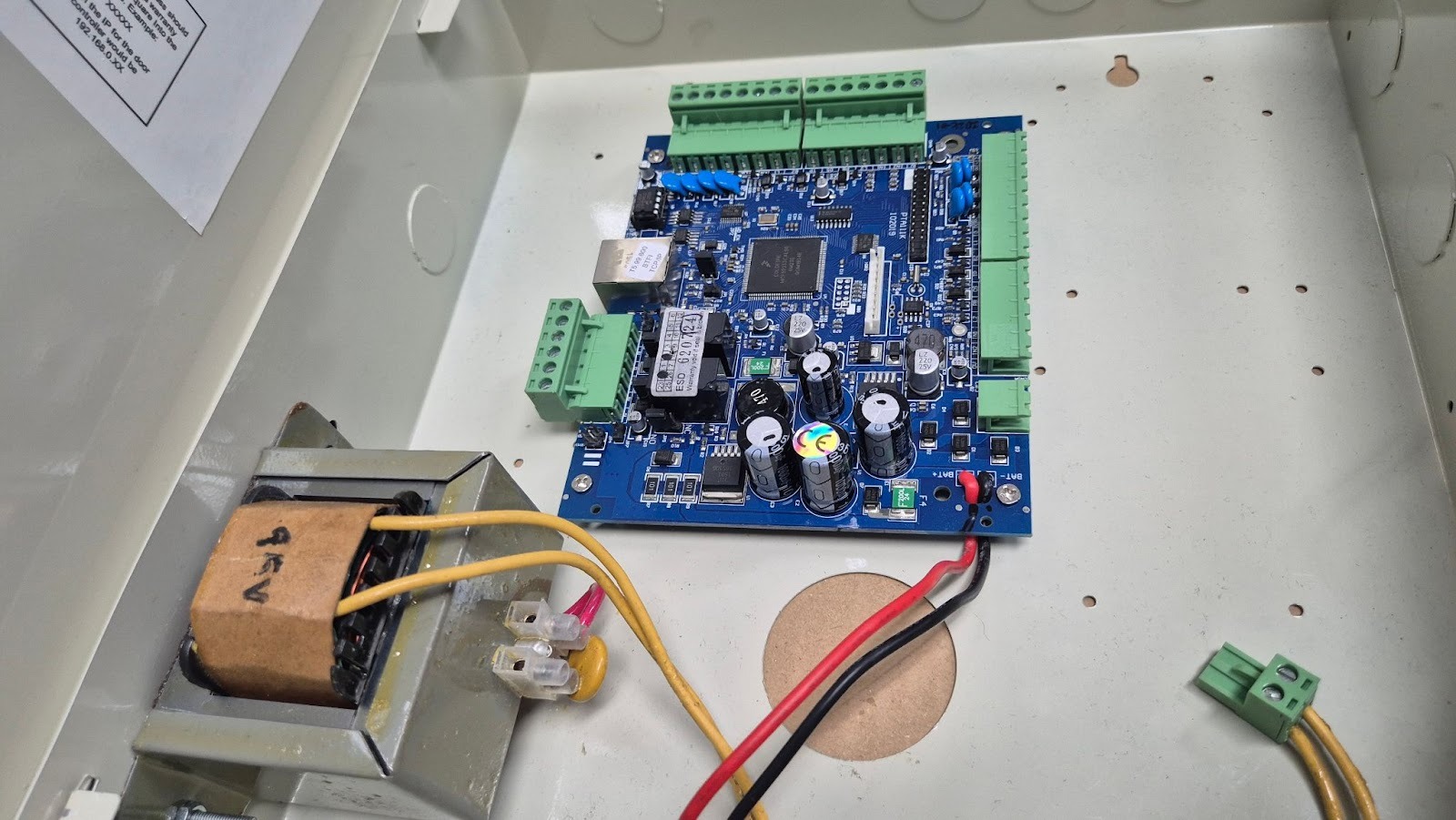
A door access controller is an electronic security device that manages who can enter a building, room, or restricted area. It connects card readers, biometric scanners, PIN keypads, and electronic locks. The controller verifies access permissions and unlocks the door for authorized users. Many systems also record entry activity, support access schedules, and integrate with security management software.
What Is a Door Access Controller? How It Works, Types and Benefits
A Door Access Controller is an electronic security device that manages entry into buildings, offices, and restricted areas. It works with RFID card readers, biometric scanners, PIN keypads, and electronic door locks.
Businesses use door access control systems to improve security and monitor employee access. Unlike traditional locks, these systems allow administrators to control who can enter specific areas.
How Does a Door Access Controller Work?
A door access controller acts as the central control unit of an electronic door access system.
First, a user presents an RFID card, enters a PIN, or scans a fingerprint. The reader then sends the credential information to the access control system.
Next, the controller checks the user’s authorization. If the credentials meet the access rules, the controller activates the electronic lock.
Otherwise, the door remains secured.
Depending on the model, the system can record access attempts and notify security personnel about unauthorized entry.
What Are the Main Components of a Door Access Control System?
A complete Door Access Control System typically includes several essential components.
1. Door Access Controller
The controller manages door permissions and communicates with connected security devices. Some models support one door, while others manage multiple entry points.
2. RFID Card Reader or Biometric Scanner
The reader collects user credentials through RFID cards, fingerprints, facial recognition, or PIN codes.
Explore our Biometric Door Access Solutions.
3. Electronic Door Lock
Magnetic locks, electric strikes, and compatible electronic locking devices secure the door. The controller releases the lock when access is authorized.
4. Exit Button and Door Sensor
Exit buttons allow users to request door release. Meanwhile, door sensors help the system monitor door status.
5. Power Supply and Backup Battery
A suitable power supply supports the access controller and connected devices. Compatible backup batteries can maintain operation during power interruptions.
Types of Door Access Controllers
1. Standalone Door Access Controller
A standalone controller manages access to one or more doors without requiring continuous connection to centralized software.
It suits small offices, shops, and individual secured rooms.
2. Network Door Access Controller
A network controller connects to an access management system through supported network connections.
Administrators can manage user permissions, review access logs, and control multiple doors from compatible software.
3. PoE Door Access Controller
A Power over Ethernet (PoE) controller receives power and network connectivity through compatible Ethernet infrastructure.
This setup can reduce separate power cabling requirements.
For example, the FALCO PoE Door Access Controller offers one-door and two-door controller options.
4. Multi-Door Access Controller
Multi-door controllers manage several entry points. They suit larger offices, commercial buildings, and facilities with multiple restricted areas.
Benefits of Installing a Door Access Controller
Improved Security: Restrict entry to authorized employees and visitors.
Centralized Management: Update access permissions through compatible management software.
Access Monitoring: Record entry activity and investigate security incidents.
Flexible Authentication: Support compatible RFID cards, PINs, and biometric credentials.
Scalable Security: Expand the system by adding compatible controllers and readers.
Where Are Door Access Controllers Commonly Installed?
Businesses install door access controllers in offices, commercial buildings, residential condominiums, hospitals, schools, warehouses, and industrial facilities.
For example, offices can restrict access to finance departments. Hospitals can protect medication storage rooms. Meanwhile, warehouses can secure valuable inventory areas.
Each installation requires suitable hardware, access permissions, and emergency exit provisions.
Door Access Controller Supplier in the Philippines
3S Security Solutions Specialists Inc. supplies electronic door access controllers and security components in the Philippines.
As an official FALCO distributor, 3S supports security installers, resellers, contractors, and system integrators.
Our product range includes the FALCO Z-Series Door Access Controller, with options for one-door and two-door installations.
We also provide product consultation, technical support, and assistance with project requirements.
Explore our Security Access Control Products or Request a Quotation for your next installation.
Frequently Asked Questions
What is the difference between a door access controller and an RFID reader?
An RFID reader collects credentials from access cards. The controller checks permissions and manages the electronic lock.
Can one door access controller manage multiple doors?
Yes. Some controllers support two or more doors. The maximum capacity depends on the controller model.
Can door access controllers work without internet?
Many standalone and locally configured controllers can operate without internet. However, remote management features may require network connectivity.
Can a door access controller integrate with CCTV or fire alarms?
Some systems support CCTV and fire alarm integration. Compatibility depends on the controller, software, and safety requirements.